


























Health and wellbeing reporter
 Getty Images
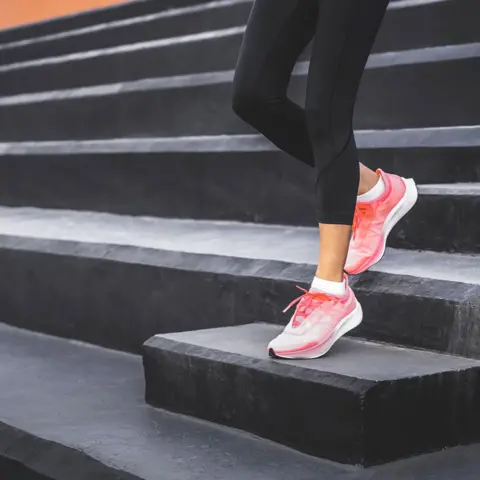
It felt like there was a collective sigh of relief when a study, published this week, suggested 10,000 steps a day isn’t the health utopia we had all been led to believe.
The news that we only had to reach 7,000 steps was enough to quite literally stop us in our fervent step-counting stride.
So what about some of the other health targets that many of us swear by? Can we fall short of the mark but still live long, healthy and happy lives?
We’ve taken a handful of commonly cited healthy lifestyle benchmarks, examined them with various experts to get an idea of why they exist, explored the health claims, and, most importantly asked if there is any wriggle room.
Is sleep so important that we have to spend so much of our lives doing it? How much exercise is enough? What about drinking water? How much do we really need?
Disclosure – the below is not medical advice, it’s more of an inspection of many of the health ideals we have on our radar.
Water (6-8 glasses a day)

 Getty Images
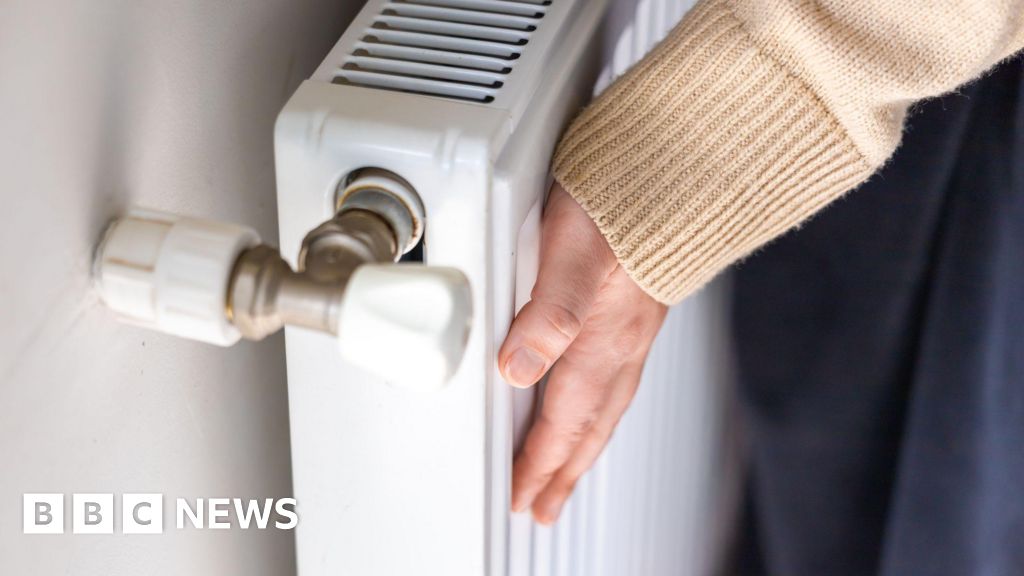
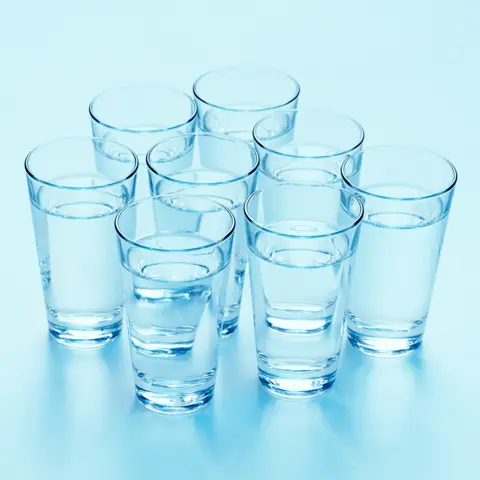
According to the NHS, the average grown-up should be drinking between six and eight glasses (1.5-2 litres) of water a day. However, maybe we don’t need to cart our fancy flagons around with us as much as we thought.
Prof Neil Turner, kidney specialist at the University of Edinburgh, says as humans we existed for thousands of years without knowing what a pint or a litre was.
“I mean, mice don’t need flashing water bottles telling them how much to drink – why do we?” he says.
“Our bodies are set up to do things just right – we eat when we are hungry, we breathe when we need to breathe, and we drink when we are thirsty.”
Oh.
Is it really that simple? According to Prof Turner, who has seen a lot of kidneys in his time, that rule applies to the vast majority of us. Those with specific conditions, like a kidney disorder, may have to drink more.
He says if our urine is dark, in the general healthy population, we shouldn’t panic that we haven’t drunk enough – that is the kidney doing its job. It is reserving water in our body, he explains, and our body should tell us that we feel thirsty and then we will get a drink.
Dr Linia Patel, a performance nutritionist, disagrees. We might drink different amounts, she says, due to factors like our size, how warm we are, whether we’ve been drinking alcohol, but she feels having a target of 1.5 to 2 litres is a good thing – especially for women.
“I would definitely say from a women’s health point of view, where I work, what I see is a lot of the symptoms [associated] with being dehydrated. It might be fatigue, constipation, brain fog, feeling hungry [or] cravings.”
She says that if the problem is related to hydration then it’s “an easy one to get right, if you’re consistent with it”.
Sleep (7-9 hours a night)
 Getty Images
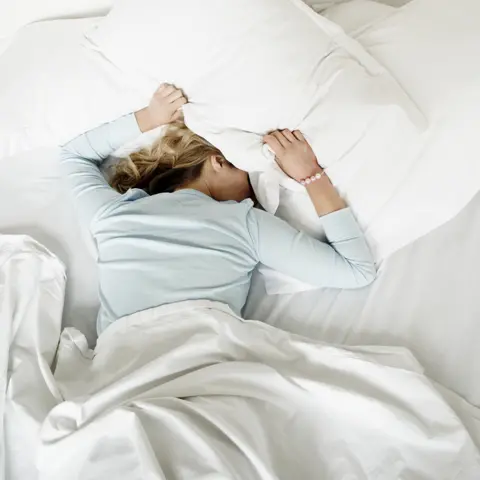
Moving on to sleep – the NHS recommends seven to nine hours a night for the average adult, and there’s not much wriggle room to be had there.
Prof Ama Johal, a specialist in sleep disorders, says sleep is vital; without it we are beginning to shave years off our lives.
“The evidence is there, there are huge bodies of research which show that the health benefits are multiple.
“A good night’s sleep – that’s at least seven hours of quality sleep – reduces the risk of obesity, diabetes, depression and finally, it lowers mortality rates.”
He points to a study which used 10,000 British civil servants – those that slept for fewer than five hours a night had an increased risk of early death.
But could we shave an hour off the minimum recommended – and settle for six hours a night?
“No,” Prof Johal says. “As soon as we lower the limit then there’s a risk people will think it’s ok to sleep for less time.”
Cat napping?
“Unfortunately not,” he says, “Our bodies have very different reactions to naps through the day, and eventually if we tried to make up the hours we were missing overnight by sleeping through the day, we would struggle to fall asleep at night.”
But all is not lost, nappers among us – there are studies that suggest a short snooze in the day can keep the brain youthful, and even compensate for poor or broken sleep the night before.
Prof Johal suggests that for those who struggle to get the recommended amount, try to target a few nights of good sleep a week, and just being “more aware that sleep is so important”.
 Emily & Lucy
Emily and Lucy are two avid walkers from Manchester. But alongside their love of walking, the two women share a less healthy trait: they struggle to nod off because of their anxiety.
But they say the target of seven hours sleep a night is something they “are working towards”.
Exercise (150 mins a week)
Emily and Lucy are, however, “definitely nailing it” when it comes to exercise.
Through their group, Soft Girls who Hike, they have found a love of walking which has not only improved their mental health, they say, but connected them with many other women.
They don’t try to meet all the healthy benchmarks on their radar, they explain, because “life just gets in the way”. But they are doing 7,000 steps a day and taking long, low impact walks at the weekend.
The Chief Medical Officer recommends doing 150 minutes of exercise a week and two strength training sessions.
Is that achievable for most?
Dr Sinead Roberts, a sports nutritionist who trains elite athletes, is pragmatic in her approach. While moderate strength training and physical activity are vital for maintaining muscle mass, she says, as well as resistance to injuries and supporting our immune systems, you have to adapt the recommendations to fit with your life.
“Rules are for the obedience of fools and the guidance of wise people,” she says. “This phrase really does apply here.
“I have friends who do nothing – and that really does show, I say, ‘You’re walking like an 80-year-old!’
“But if you are doing one strength session a week and some moderate exercise then that is definitely a good thing, just try and do more if you can.”
She uses an analogy of a highway – the more things we can do to stay healthy the wider the road, which, in turn means we can go off course sometimes without careering up a grassy verge.
“All those benchmarks are interlinked – you can’t just do one healthy thing and ignore the rest. Equally you don’t need to put so much pressure on yourself to achieve them all.”
This attitude chimes with Emily and Lucy, who say they happily “chip away” at some of the health benchmarks.
“For example, we might do five minutes of meditation [which is] better than nothing, but we wouldn’t stress about not hitting the recommended goal.”
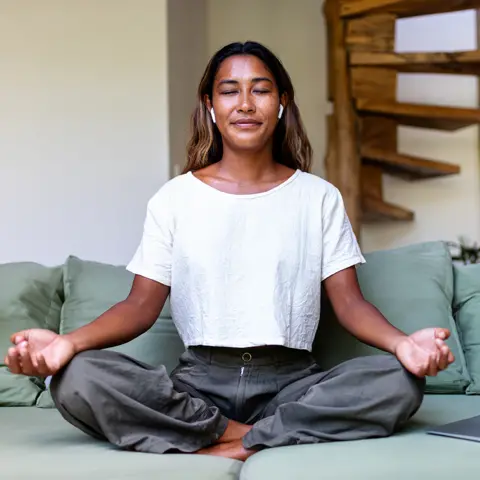
Mindfulness (10 mins a day)
 Getty Images
Through its Every Mind Matters campaign, the NHS recommends 10 minutes of mindfulness a day.
Basically, instead of pondering the future or thinking about the past, you pay attention to the moment, noticing what is going on inside and outside ourselves, letting our thoughts pass by without judgement.
Some studies suggest activities like mindfulness can have a positive effect and also help change the structure of the brain.
Psychologist Natasha Tiwari, founder of The Veda Group, says 10 minutes is a good start to “give the mind time to settle, and the brain enough time to truly benefit” from the process of mindfulness.
But many of us lead busy lives, and to carve out 10 minutes in the day can be a luxury. In some respects, could having these targets make life more stressful?
Ms Tiwari disagrees – it’s less about the time spent and more about the awareness of mindfulness and bringing it to our everyday lives.
“Even brief pauses,” she explains, “can still have a positive impact”.
Most experts I’ve spoken to agree that while benchmarks are useful, and simplicity is key, it’s better not to fixate on a number. Rather, find a way to incorporate a healthy outlook to diet, exercise and mental health into everyday life.
After sitting for some time writing this, I am going to sign off – there is another health benchmark I’ve just come across: limiting sitting down to less than eight hours a day. So, I had better get moving.
Additional reporting by George Sandeman