



























The idea of an abortive infection is you are exposed to the virus, it even gets into the right places to start an infection, but the body gets on top of it before it takes off.
We know this happens from studies that have tried to deliberately infect people with Covid. These human challenge trials squirted virus up the nose of healthy volunteers, but in the first 34 people to take part, only half actually developed an infection, external.
The first line of protection is the innate immune system. This is our body’s default defence. It cannot learn or “remember” infections, so each time is like the first time. But it is so fast it can stop an infection in its tracks.
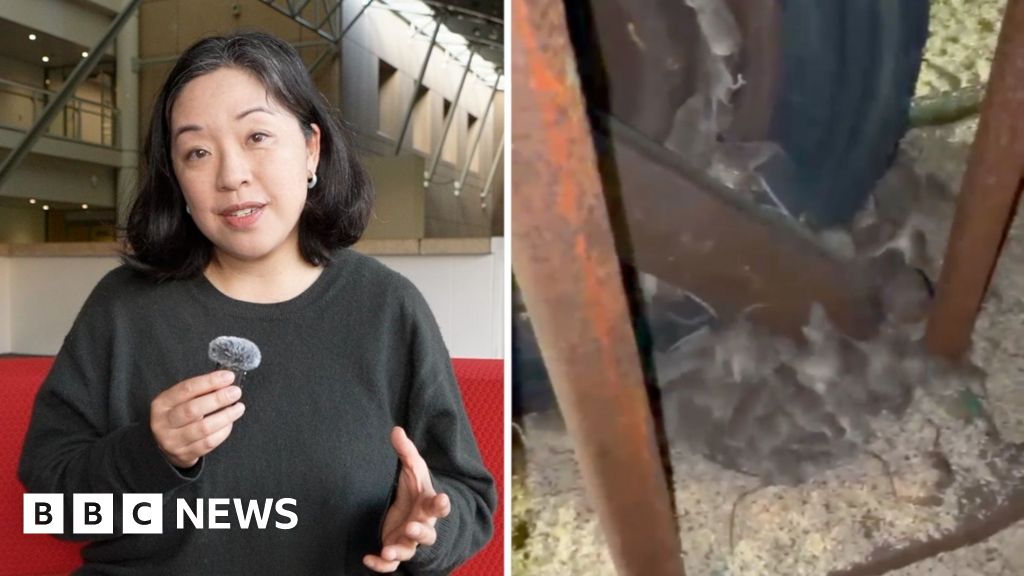
Dr Broadbent demonstrated this by conducting experiments using miniature lungs grown from people’s cells – called organoids – and trying to infect them with the virus, external.
“We found one person that we just could not infect, we were sticking bucketloads of virus on these cells and there was no infection,” she tells me.
The other half of the immune system is known as the adaptive immune system, which learns and gets better with practice. This is how vaccines prepare the body for fighting Covid.
“It could just be that the vaccines worked well for you and have given you very good protection,” suggests Prof Maini.
But vaccines seem to give only limited and rapidly-waning protection against catching the virus. And there were no vaccines for the first year of the pandemic.
However, there are other ways this part of the immune system could stop an infection.
Blood and lung samples, external taken from hospital staff before the pandemic, external, showed some already had protective T-cells. These are like sentinels that inspect other cells for signs of infection. If they find a contaminated cell, they kill it.
Even before the first cases arrived in the UK, some people had these anti-Covid soldiers in their bodies. They are probably the result of catching other common cold coronaviruses, which are closely related to the Covid virus.
“If you have young children at school, it’s very likely that you would have been exposed to these in the preceding years,” Prof Maini tells me.
“If you’ve got these pre-existing T-cells ready and waiting then they can act much more quickly and bring down the infection before it becomes positive on your test,” she adds.
Covid-resistant people inspire new vaccine tactic
The hope is a new generation of vaccines can be developed that mimic this pre-existing immunity.
“If you could make T-cells against the inner regions of the virus and get those responses in the nose, airways and lungs there’s a much better chance they could abort the infection before it takes off, that’s the goal,” says Prof Maini.
My gut feeling is that the torrent of bugs every toddler brings home from nursery to plague their already weary parents helped me dodge Covid.