




















Robbie MeredithEducation and arts correspondent, BBC News NI
 Getty Images
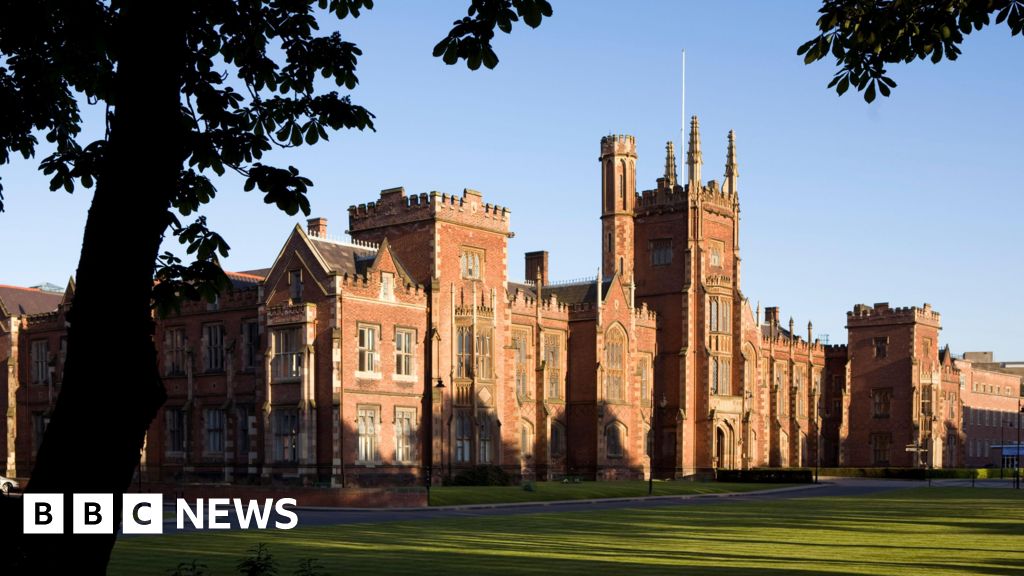
Student doctors at Queen’s University Belfast (QUB) undertaking a second degree face a “double disadvantage” in funding their studies.
Some have told BBC News NI they are paying up to £25,000 themselves in order to study medicine as they are ineligible to apply for a tuition fee loan.
The university has urged the Department for the Economy (DfE) and the Department of Health (DoH) to change the policy on fees.
In a statement, a DoH spokesperson said that the current fees policy “reflects the resources available.”
Students at QUB who are taking a second degree in medicine in order to become doctors are affected by the disparity.
Unlike similar postgraduate medical students at Ulster University (UU) they cannot apply for a tuition fee loan from the Department for the Economy.
And unlike graduate medical students elsewhere in the UK they are not eligible for an NHS bursary of about £5,000 to help with living costs in their final year of study.
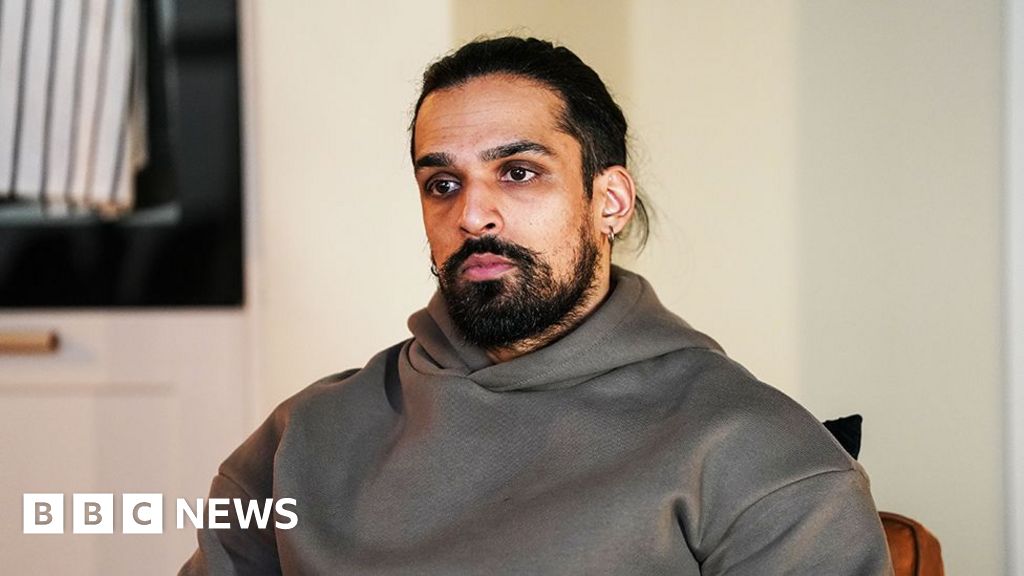
David McCleary, 24, completed a university degree in biomedical science at QUB and is now studying medicine in order to become a doctor.
He is currently in his fourth year of a five-year course.
Students like Mr McCleary spend time working on placement in hospitals.
He told BBC News NI that his motivation to become a doctor started in childhood.
“As a child I grew up in a household that played a lot of sport and we were injured all the time and we would rock up to A&E on a fairly regular basis,” he said.
“These doctors would magically put us back together and send us on our way and it was just inspiring to see them care for people.”
But he said he and other students from QUB faced financial barriers others did not face.
“It’s just really disheartening,” he said.
“There’s no need to have this discrepancy and this discrimination between us and the other students.
“We study during the week and at evenings and weekends we spend as much time as we can working, whether as healthcare assistants in hospitals, in care homes or in shops.”

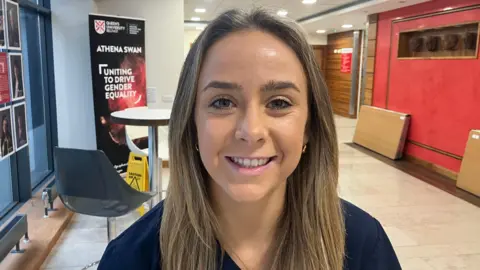
Georgia Ross is also studying a five-year medical degree after doing a first degree in physiotherapy.
“Seeing aspects of medicine through physio, I always knew it was something I had wanted to do,” the 24-year-old said.
But she estimated that it would cost her about £25,000 of her own money to study to become a doctor.
“I had to save a lot of money through the summers, I would work,” she said.
“At the moment I’m working as a health care assistant in hospital.
“This weekend I have to do a 12-hour night shift just to try and gather as much money as possible, but then that impedes your revision time as well.
“It’s all a bit of a horrible cycle.”
Both Mr McCleary and Ms Ross want to work in the health service in Northern Ireland.
“I’m really passionate about caring for the people of my community,” Mr McCleary said.
Ms Ross, meanwhile, has her sights on becoming a paediatrician.
What has Queen’s University said?
A spokesperson for the university said Queen’s was “deeply concerned about the significant funding disparity affecting postgraduate students, from Northern Ireland, undertaking a second degree in medicine”.
“Students in this position are uniquely disadvantaged by being ineligible for NHS bursary funding or equivalent, which is available to their peers elsewhere in the UK.
“Furthermore, Queen’s students face a double disadvantage unable to access a tuition-fee student loan, which is available to their counterparts at Ulster University.
“We have consistently lobbied the Department for the Economy and the Department of Health to address this inequity.
“A change in policy is urgently needed to ensure fairness and equal access for all medical students, regardless of where they study.”
‘Limited financial resources’
In a statement to BBC News NI, the Department of Health said that health and student finance were “devolved matters and the support arrangements vary markedly across the UK, depending upon where the individual is ordinarily resident”.
“Policy reflects the resources available to each administration and their assessment of workforce supply priorities,” the department said.
“In general, Northern Ireland students who already hold a primary degree are ineligible for fee loans or maintenance grants to fund a second primary degree.
“This approach is based on the principle that the limited financial resources available should be targeted at primary degree level, thereby allowing a greater number of students to experience third-level study.”
But the spokesperson also said that work was under way on a consultation to examine reform of student support.
“Officials are engaging with trade union representatives to finalise the scope of a public consultation, which we hope to launch in the new year,” they said.
“While it could impact on the support arrangements for postgraduate medical students, the scope of any potential change has not yet been determined.”
‘Loans generally unavailable’
A spokesperson for the Department for the Economy said that the five-year medicine degree course at Queen’s University is an undergraduate course.
“Eligible full-time undergraduate students studying a first medical degree are eligible for full student support funding, including a tuition fee loan, for the first four years of study.
“After year four, the Department of Health pays the tuition fee directly to the university.
“The department is aware that some students undertake medicine at Queen’s University as a second undergraduate degree.
“Tuition fee loans are not generally available to students from here studying a second undergraduate degree.”