





























Eimear FlanaganBBC News NI
 Getty Images/dotdotred
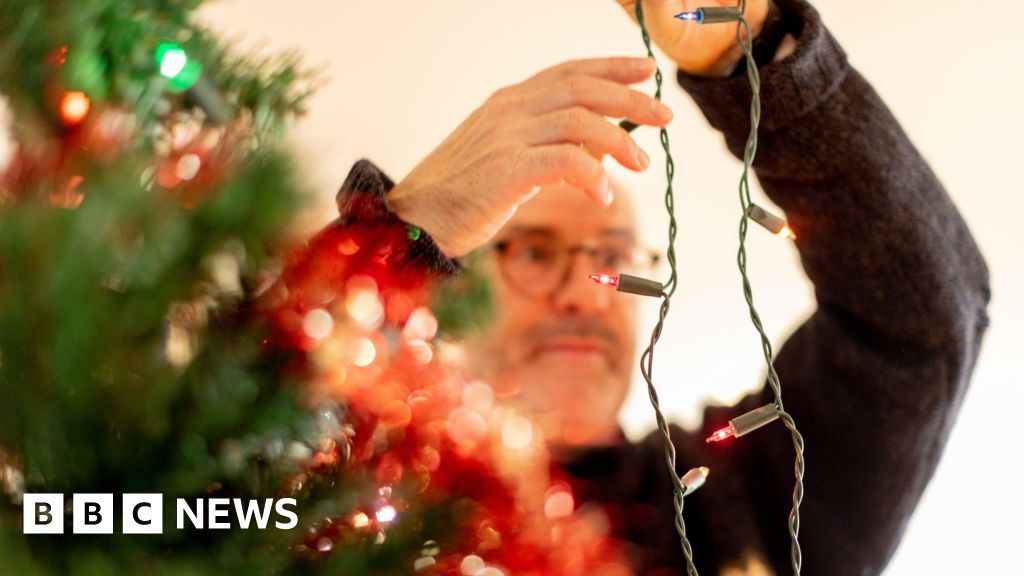
From Christmas tree lights to trying out new gifts and gadgets, we often use more electrical equipment than usual over the festive period.
But a spate of fatal house fires in Northern Ireland has prompted public warnings to take care when using electrical devices at home.
Four people died in separate house fires in north Belfast; Bangor; west Belfast and Lisburn last weekend.
The Northern Ireland Fire and Rescue Service (NIFRS) confirmed three of the fires were linked to electrical equipment.
This week, safety experts have been sharing advice on how to protect your home and your family from electrical fires.
I bought electrical goods online – are they safe?

 Electrical Safety First
The popularity of online shopping has led to a “rapid rise in fake and unsafe goods” being delivered to UK homes, according to the charity Electrical Safety First (ESF).
It warns against buying electrical products from online-only sellers because they may not comply with UK safety standards and could cause fires.
“Online marketplaces aren’t regulated in the same way as high street retailers,” said Karter Kane, ESF’s policy and public affairs adviser for Northern Ireland.
“So we would always recommend that people shop from a reputable high street retailer, or their [high street retailer’s] online store to ensure the best chance of getting a safe electrical product.”
The ESF regularly buys electronic items from online sellers to conduct its own safety tests on products.
In 2023, those tests identified more than 50 dangerous or non-compliant devices sold by leading international online marketplaces.
These included a food blender which emitted smoke and a hairstyler that could cause an electric shock.
The investigation led to Amazon Marketplace, eBay, Wish.com and AliExpress removing certain products from their websites after ESF highlighted concerns.
Ms Kane explained many online-only electrical goods are “often coming from a third-party seller, which could be based anywhere in the world”.
The EFS said although no-one is legally allowed to sell unsafe products to UK consumers no matter where they are based, the rules are not applied consistently.
The charity is lobbying for new legislation so that online marketplaces “face the same legal duties as high street retailers to ensure the goods they sell are safe”.
How do I know if I am overloading sockets?
 Getty Images/Sally Anscombe
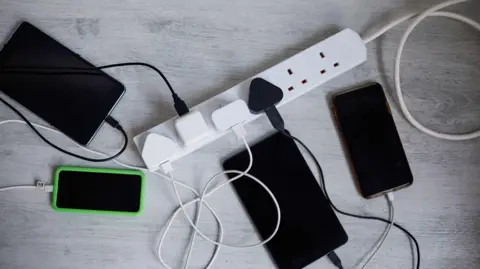
Extension leads are handy solutions if you are short of sockets, provided they are used safely.
“Overloading extension leads can cause them to overheat which can increase the risk of fire,” Ms Kane said.
Overloading can happen in two ways – one is known as “daisy chaining”.
“Daisy chaining is when you plug multiple extension leads into each other which is quite common for people to try to get them to reach further, especially around the festive period, so we would always recommend against that,” she explained.
A second danger is not paying attention to the combination of devices plugged into one extension lead, as it is easy to exceed the recommended amp limit.
“That’s especially a risk when you’re using high-powered products such as heaters, kettles, hairdryers, cooking appliances,” Ms Kane said.
“It’s just about trying to make sure we’re not drawing too much power from the socket.”
A single socket is rated at 13 amps and ESF’s website provides an interactive socket calculator to illustrate combinations which could cause an overload.
Are my Christmas tree lights safe?
Festive decorations only come out once a year and some family favourites are passed down the generations.
So even if they were bought back in the day from a high street shop, they may not be aging well.
“With Christmas lights in particular, we would recommend checking the lights before you use them,” Ms Kane advised.
“So always check them for signs of wear and tear, for any fraying on the wiring or anything like that.”
Do I have to turn everything off at night?

As well as having an escape plan in the event of a fire, firefighter Suzanne Fleming has said we need to go back to a night-time safety routine of switching things off.
“I suppose we’ve just got used to having lots of electrical items plugged in all the time,” the NIFRS area commander told the BBC’s Nolan Show.
But she warned that leaving electronics connected overnight, which are often not designed to stay connected to the power while you sleep, is not without dangers.
“Basically you’re deciding: ‘Well look, I’m going to just run the gamut here and hope that these things don’t go on fire.'”
She strongly recommends electronics are switched off at the wall socket every night before the last person in the house goes to bed.
Ms Kane agrees: “By unplugging them you’re removing them from the electrical supply completely which just protects against the risk of electrical faults or surges.”
Can I leave my phone charging overnight?
 Getty Images/Thomas Faull
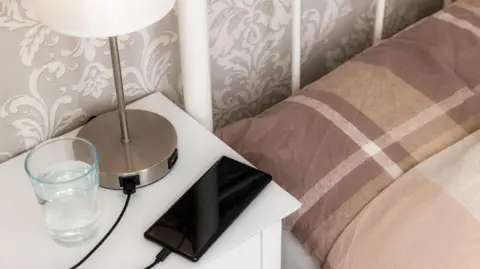
Leaving a phone plugged in for eight or more hours while you sleep is an unnecessary risk, according to Ms Fleming.
“No phone takes that long to charge, so you’re basically deciding that you’re going to charge it three or four times longer than it needs.”
The firefighter recommends charging it for an hour or two before you sleep as part of a safe bedtime routine.
She also cautions against leaving your mobile charging under your pillow while sleeping.
“You’ll feel it yourself, sometimes phones can overheat,” she said.
Instead, she advises mobiles should rest on a non-flammable surface such as a bedside table while charging.
As a general rule she recommends leads and plugs stay in clear view.
“How are you going to know that’s overheating or that there’s a faulty cable or a faulty connection or scorch marks or anything on that plug if you can’t see it?”
How can I check if my electrial items meet safety standards?
The ESF says products tested by “responsible manufacturers” will bear a UKCA (UK Conformity Assessed)/CE (European Conformity) mark.
When sold to UK consumers, products should come with instructions written in clear English, and a batch or serial number for identification.
The names, trademarks and contact details of the manufacturer should be included in the packaging, along with the importer’s details if it is from overseas.
Poor spelling or grammar on packaging can often indicate a product is fake.
Why is it important to register my electrical goods?
“If you register your product with the manufacturer it means that they are able to track you if there is a product recall,” Ms Kane said.
Product recalls are often ordered when a danger has been identified and registration means the makers can advise you on arranging a repair or replacement.
The EFS said the response rate to electrical product recalls is “worryingly low, largely due to people failing to register their appliances”.
According to the charity, this mean there are “potentially millions of recalled electrical items still in the UK”.
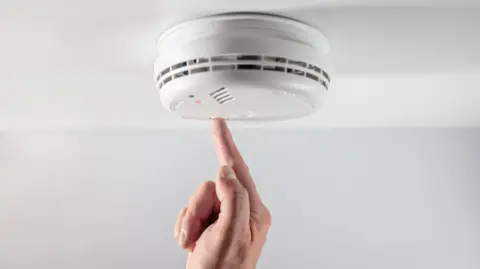
Make sure you have a working smoke alarm
 Getty Images/Brian A Jackson
The recent fire tragedies in counties Antrim and Down are reminders of how crucial it is to have a functioning smoke alarm.
“In one case there were no smoke alarms and in another there were, but they weren’t working,” Ms Fleming said.
The firefighter added that in the third fatal fire “alarms did activate in that property and allowed other people to escape”.
Ms Kane agreed it is “vitally important to have a working smoke alarm on every floor of your home and to test them regularly”.
“If you have a working smoke alarm and a fire was to occur, it can provide those vital extra seconds needed for you to get out of your home safely.”