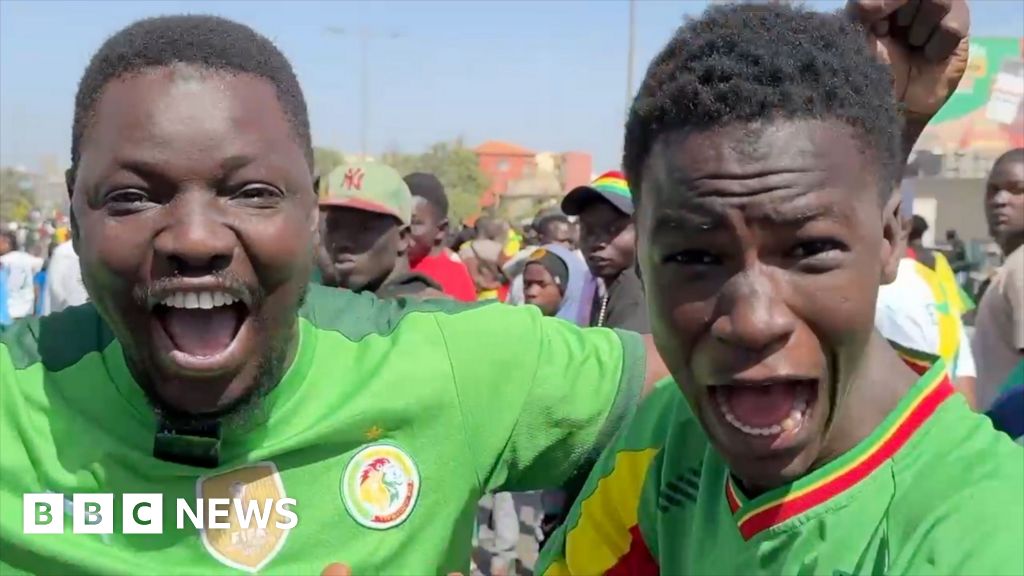
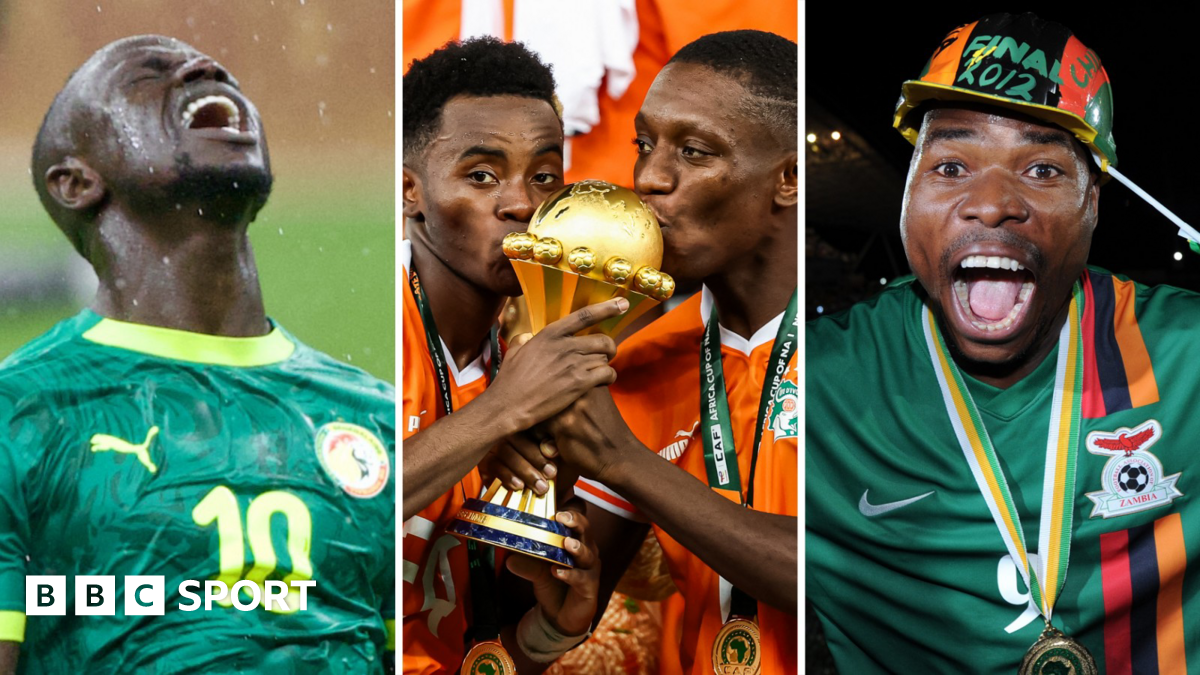
















Afcon has often provided a shop window for players to secure potentially life-changing, lucrative transfers.
“We are the luckiest [generation] because the youngest, they’re going to wait every four years to play an Afcon,” Burkina Faso captain Bertrand Traore, who featured in his sixth Afcon in Morocco, told BBC Sport Africa.
“Some players will be more receptive about this decision but in the other end some need this competition to show themselves to the world.”
Caf’s changes also mean the death knell for the African Nations Championship (CHAN), the tournament for domestic-based players.
The past two CHANs have felt like ugly ducklings – with some nations not even entering qualifying, an odd number of finalists, Morocco withdrawing from the 2022 edition because of diplomatic tensions and the 2024 finals delayed because the hosts were not ready.
Motsepe described CHAN as a “spectacular money-loser”, yet it helped launch the international careers of Morocco forward Ayoub El Kaabi and Senegal midfielder Lamine Camara, who both featured in the 2025 Afcon final.
Winning coach Pape Thiaw, meanwhile, gained experience leading the Teranga Lions to the 2022 title.
Meanwhile, when it comes to the Women’s Africa Cup of Nations, no mention has been made about a possible move to a four-year cycle.
Former South Africa midfielder Amanda Dlamini believes the women’s game in Africa is “different” and still trying to establish itself as a “product”.
“I hope it does stay as two years, because if it is four years they are going to forget about us,” she told BBC Sport Africa.