




























Galya DimitrovaSouth of England
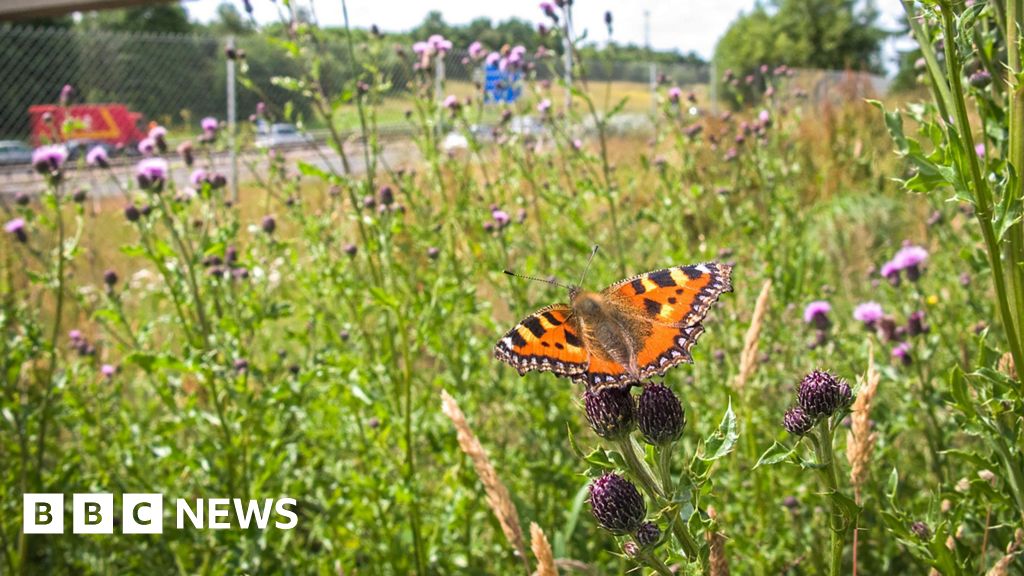
 Cath Scott/Butterfly Conservation
UK ecosystems continue to deteriorate or show no change, rather than improvement, the latest data from the biodiversity indicators show.
Produced annually since 2007, the indicators track the progress towards national and international biodiversity targets in both the short and long term.
Scientists at the UK Centre for Ecology & Hydrology (UKCEH) in Wallingford, Oxfordshire, have played a key role in shaping the 2025 report through analysis of trends in animal and plant species.
Dr Francesca Mancini, an ecological modeller at UKCEH, said that although it was not “a completely positive picture”, the indicators showed “some glimmers of hope”.
This year’s indicators have been published by the Joint Nature Conservation Committee and the Department for the Environment, Food & Rural Affairs.
They are based on data provided by about 100 different organisations, including government agencies, research institutes, voluntary groups and citizen science schemes such as the UK Butterfly Monitoring Scheme.
“Most of the indicators tell us whether a group of species are improving, deteriorating or have had little or no change in the long term – that usually means from the beginning of monitoring until now or over the short term, which is usually the last five years,” Dr Mancini said.
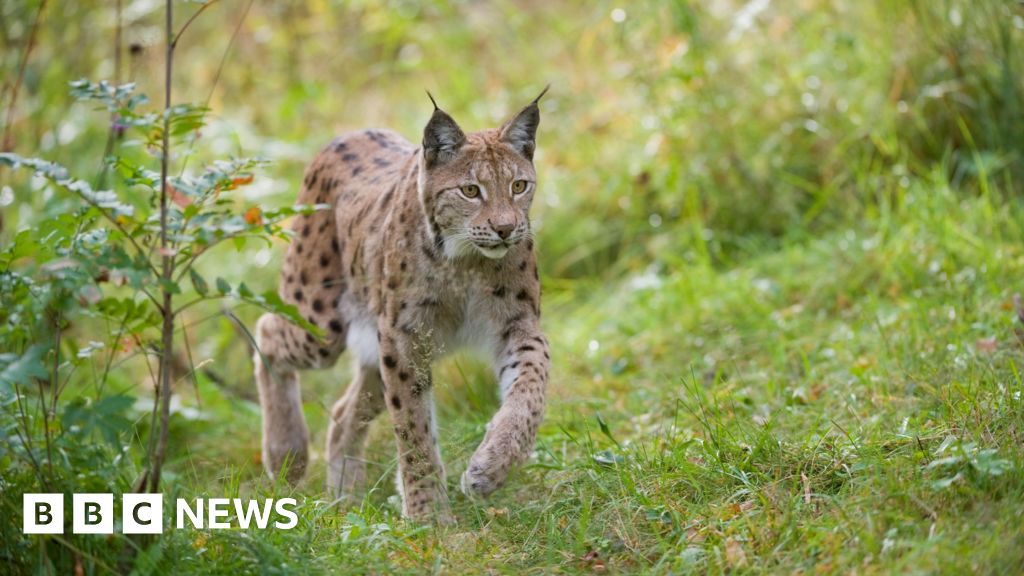
Research by the butterfly monitoring scheme, conducted by Dorset based charity Butterfly Conservation, showed in April that 31 of 59 species have had their numbers fall since 1976, when monitoring began.

She said this year’s indicators had shown more long-term declines.
“However, some of those indicators that are declining in the long term are showing little change in the last five years and this suggests the declines may have started to halt.
“It’s not a completely positive picture but there are some glimmers of hope in the indicators.”
Dr Mancini added that without the thousands of volunteers who collected the data every year, the scientists would be “completely flying blind”.
She said people could get involved in different ways such as pollinator monitoring in the spring, creating bug hotels or leaving water for birds in gardens.
“If you don’t have a garden consider window boxes and also there might be some local community initiatives to transform sort of green spaces to be more wildlife friendly.”