
















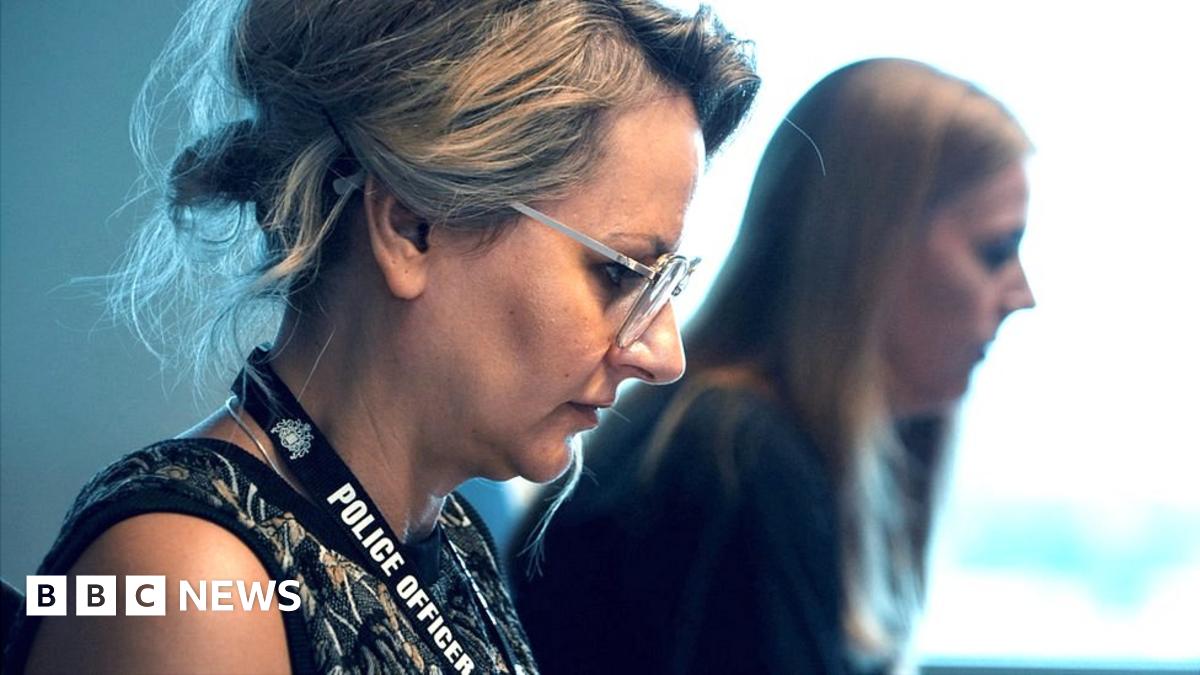
The Met’s new approach is helping alleged victims. The female officer who accused a colleague of sending sexual messages says the involvement of Daso, with its expert abuse investigators, helped her.
“It just felt like they asked the right questions that made you feel like what you were saying was valid,” she says. “It’s a specialism, you have to love it and that very much came across.”
Her allegations will likely amount to professional misconduct if proven, but the investigation continues.
Det Supt Clark says her team are disgusted by the behaviour of abusive officers.
“We don’t want them in the organisation and we need to get rid of them.”
At least 1,600 allegations against police or police staff have been investigated across England and Wales in the past three years – our figures suggest – although several large forces, including Manchester and West Midlands Police refused to provide any figures, claiming it would be too costly to collate them.
One of the Met’s experts on domestic abuse, Det Sgt Viran Wiltshire, says the rise in cases actually reflects the organisation’s growing understanding of how the problem can present itself – by improving training in detecting it, and working with victims to get prosecutions.
“I think that’s the shift that’s happening within our Met culture,” she says.
Whatever the causes, the rising number of allegations looks bad for the force. “It will get worse before it gets better,” is a phrase heard often among senior Met officers.
The Met now has a new commissioner, Sir Mark Rowley, and this issue is near the top of his inbox.
“It’s about rooting out those who’ve let us down,” he said in a recent BBC interview. “We’ve failed to do that, and we will be doing that on my watch.”
This will require determined police work by Det Supt Clark’s team. But she says many officers tell her: “I want to do this. I want to come and work in professional standards to ensure we get out the bad cops.”