






















News
  • Login
  • Home
  • News
  • Sport
  • Worklife
  • Travel
  • Reel
  • Future
  • More
Monday, June 15, 2026
No Result
View All Result

NEWS

3 °c
London
8 ° Wed
9 ° Thu
11 ° Fri
13 ° Sat
  • Home
  • Video
  • World
    • All
    • Africa
    • Asia
    • Australia
    • Europe
    • Latin America
    • Middle East
    • US & Canada

    World Cup 2026: Nestory Irankunda – the refugee who quit Bayern to make Australia history

    Trump heralds Iran deal but questions – and risks – remain

    World Cup 2026: Fifa to pay Somali referee full tournament fee

    Man apologises for making racist gesture at Korean in World Cup match

    Royal Marines board Russian shadow fleet oil tanker in English Channel

    Armed men kidnap high-ranking security official in Haiti

    Israeli military says Hezbollah targets struck in Beirut

    'Boyfriend duties call,' Trudeau says after skipping Canada match to watch Perry

    Australia has some of the world's costliest homes. Will scrapping tax breaks help?

  • UK
    • All
    • England
    • N. Ireland
    • Politics
    • Scotland
    • Wales

    Our newborn baby died four years ago and we still don't know why

    World Cup of Darts: Luke Littler and Luke Humphries power England to sixth World title

    World Cu 2026: New Zealand’s Marko Stamenic aims to do late father proud

    Olé, olé, olé, olé – What makes a memorable World Cup song?

    Starmer set to ban under-16s from major social media platforms

    Hamilton says Barcelona win beyond wildest dreams

    The Papers: 'PM overrules Miliband' and 'We was robbed!'

    Haiti v Scotland: John McGinn ‘beaming with pride’ after winner

    World Cup of Darts: England’s Luke Littler and Luke Humphries set up Wales quarter-final

  • Business
    • All
    • Companies
    • Connected World
    • Economy
    • Entrepreneurship
    • Global Trade
    • Technology of Business

    Oil prices slide after Pakistan announces deal between US and Iran

    UK electric car sales target set to be weakened

    As more US business owners retire many are selling up to their staff

    UK vows to phase out Russian diesel and jet fuel imports by new year

    'I was employee number one at SpaceX'

    Reporter Reads

    Teen plans to leave uni 'debt free' after making £35,000 selling vintage football shirts

    Elon Musk becomes world's first trillionaire as SpaceX soars in stock market debut

    UK economy contracts as Iran war impact felt

  • Tech
  • Entertainment & Arts

    Dancers say Lizzo ‘needs to be held accountable’ over harassment claims

    Freddie Mercury: Contents of former home being sold at auction

    Harry Potter and the Cursed Child marks seven years in West End

    Sinéad O’Connor: In her own words

    Tom Jones: Neighbour surprised to find singer in flat below

    BBC presenter: What is the evidence?

    Watch: The latest on BBC presenter story… in under a minute

    Watch: George Alagiah’s extraordinary career

    BBC News presenter pays tribute to ‘much loved’ colleague George Alagiah

    Excited filmgoers: 'Barbie is everything'

  • Science
  • Health
  • In Pictures
  • Reality Check
  • Have your say
  • More
    • Newsbeat
    • Long Reads

NEWS

No Result
View All Result
Home Tech

Should you have to pay for online privacy?

August 24, 2024
in Tech
7 min read
250 3
0
492
SHARES
1.4k
VIEWS
Share on FacebookShare on Twitter


Getty Images A graphic illustration of online adverts floating above a laptop screenGetty Images

It is an increasingly common message from websites: browse for free – if you allow us to track your data and target you with personalised ads – if you don’t, hand over some cash.

The model is known as “consent or pay” and, while it may be becoming increasingly common, questions remain over whether it is ethical or even legal.

The UK data regulator, the Information Commissioner’s Office (ICO) has launched a consultation on the practice – it will report its findings later this year.

“In principle, data protection law does not prohibit business models that involve ‘consent or pay,'” the ICO says on its website.

But it continues: “However, any organisation considering such a model must be careful to ensure that consent… has been freely given and is fully informed, as well as capable of being withdrawn without detriment.”

At issue are several competing demands.

Regulators, like the ICO, want to make sure people remain, as far as is possible, in charge what happens to their personal data.

Websites, meanwhile, are wary of the shifting sands of online advertising – and fearful of losing revenue to more upstart parts of the online world, such as influencers.

“Fundamentally it comes down to an argument between a right to do business and a right to privacy,” says Philippa Donn, a partner at DPN Associates, a consultancy which advises on data protection issues.

You are the product

There’s a common way to understand internet business models: “If you’re getting it for free, you are the product.”

What that means in practice is websites give away their content away for free and in return you feed them with your personal data.

They then sell that information so you can be targeted with ads more personal to you – and more lucrative for them.

But, since 2018, there has been a threat to that model: websites in the UK have had to ask for explicit consent to use cookies and similar tracking technologies.

Everyone has become familiar with the pop-up when you visit a site, asking you to “accept all” or reject nonessential cookies.

The problem for websites is that if you reject tracking they gather less information, which means advertisers pay them less because they as less confident about how well directed their ads are.

Which is where “consent or pay” comes in – it is an attempt by websites to make up for the money they lose if you say no to your data being collected and sold.

Budget black hole

One of the industries this particularly affects is the print media, which is largely funded by advertising and paywalls online.

But online advertisers have taken their spending elsewhere – on social media sites, influencers and brand deals – leaving a black hole in newspaper budgets.

Newspapers such as MailOnline, The Sun, The Independent and The Times have all recently brought in “consent or pay” models.

“It’s basically saying, ‘We’re giving people a choice. They can either pay and get ad-free access to our articles, or they can be tracked, or they can walk away and not read it,'” Philippa Donn says.

This question being considered by the ICO and others is – is that a fair choice?

The idea of freely-given consent has to meet a “very high bar,” says Eva Lu, associate at law firm Stephenson Harwood.

For Ms Lu, it comes down to whether the user has “a genuinely free choice to how their personal data should be used by the organisation.”

This means that whether or not the model is allowed may come down to a case-by-case basis.

The amount users have to pay for privacy may be taken into account.

Another factor considered will be the size of the company and if there is an alternative option for users.

“If you can’t read a certain article, you might just choose not to and you can go read about it somewhere else,” says Ms Lu.

But for other industries, such as film and TV streaming, “it could be a lot harder to justify,” she adds.

“From a user’s perspective, if I want to watch a film or a TV show and it’s only available on that streaming service or platform, then that the alternative may not be there elsewhere.”

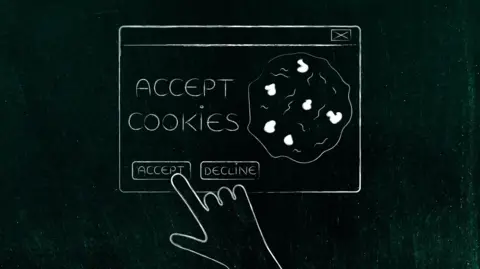
Getty Images A line drawing of a pop-up box asking users whether to accept or reject cookiesGetty Images

The question has been tested on social media in the EU, where Meta put a “pay or consent” policy on Instagram and Facebook.

Under this model, Facebook and Instagram still track your behaviour on their apps in order to feed the recommendation alogrithm.

But that data is not used to target ads at you.

In general in the EU, the tech giants such as Meta are held to higher standards than smaller companies when it comes to regulation.

In July, the European Commission informed Meta that preliminary findings suggest its “pay or consent” model is against EU law.

Meta now has the right to review the evidence gathered by the EU and mount a defence.

Meta maintains it is acting within the law and “subscriptions as an alternative to advertising are a well-established business model across many industries”.

The company is currently in discussions with the ICO, the UK data regulator, about bringing the model to the UK in the future.

A company spokesperson says they are “engaging constructively” and will share more information in the future. No decisions have been made yet.


Source link

Tags: onlinepayprivacy

Related Posts

Social media on trial: Four important cases to watch

June 15, 2026
0

Social media firms face thousands of lawsuits, the BBC looks at four which could be significant. Source link

Who is Elon Musk and what is his net worth?

June 14, 2026
0

The boss of X, Tesla and SpaceX, already the world's richest person, is now also its first trillionaire. ...

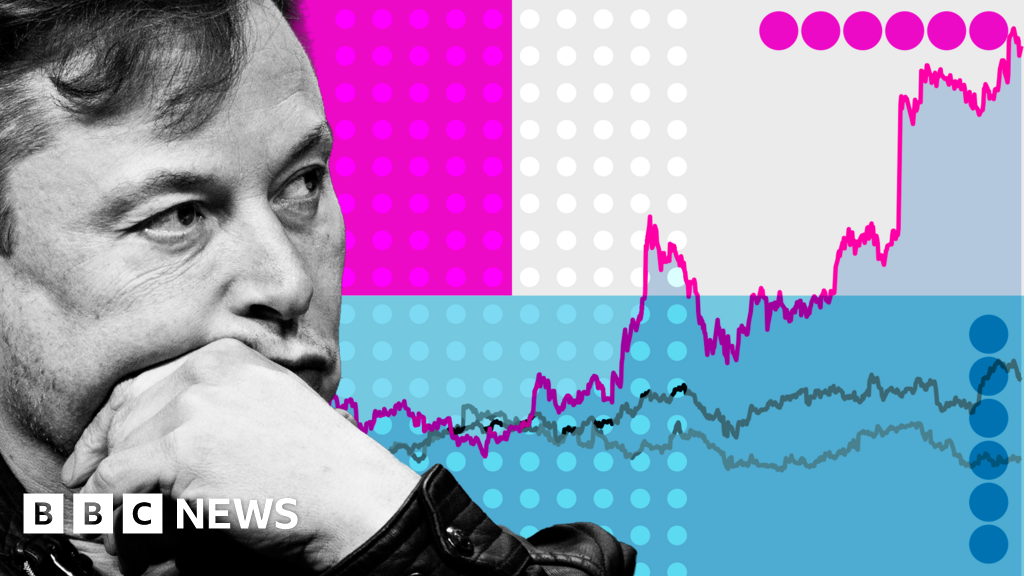
Elon Musk's stratospheric rise to trillionaire status – in charts

June 13, 2026
0

The BBC breaks down how the tech mogul's fortune has grown. Source link

  • Australia helicopter collision: Mid-air clash wreckage covers Gold Coast

    523 shares
    Share 209 Tweet 131
  • UK inflation: Supermarkets say price rises will ease soon

    515 shares
    Share 206 Tweet 129
  • Ballyjamesduff: Man dies after hit-and-run in County Cavan

    510 shares
    Share 204 Tweet 128
  • Somalia: Rare access to its US-funded 'lightning commando brigade

    508 shares
    Share 203 Tweet 127
  • Google faces new multi-billion advertising lawsuit

    508 shares
    Share 203 Tweet 127
  • Trending
  • Comments
  • Latest

Australia helicopter collision: Mid-air clash wreckage covers Gold Coast

January 10, 2023

UK inflation: Supermarkets say price rises will ease soon

April 19, 2023

Ballyjamesduff: Man dies after hit-and-run in County Cavan

August 19, 2022

Stranger Things actor Jamie Campbell Bower praised for addiction post

0

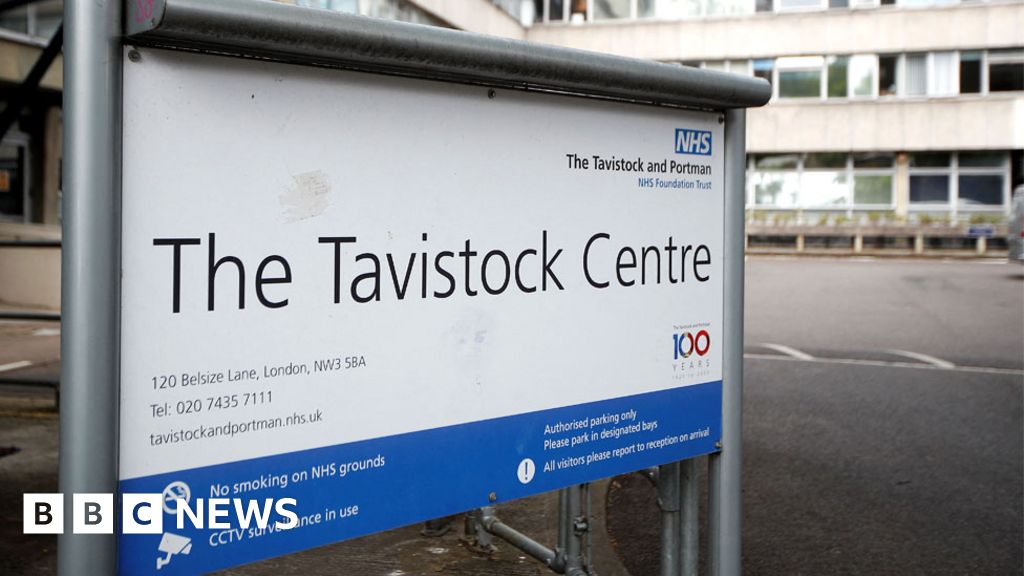
NHS to close Tavistock child gender identity clinic

0

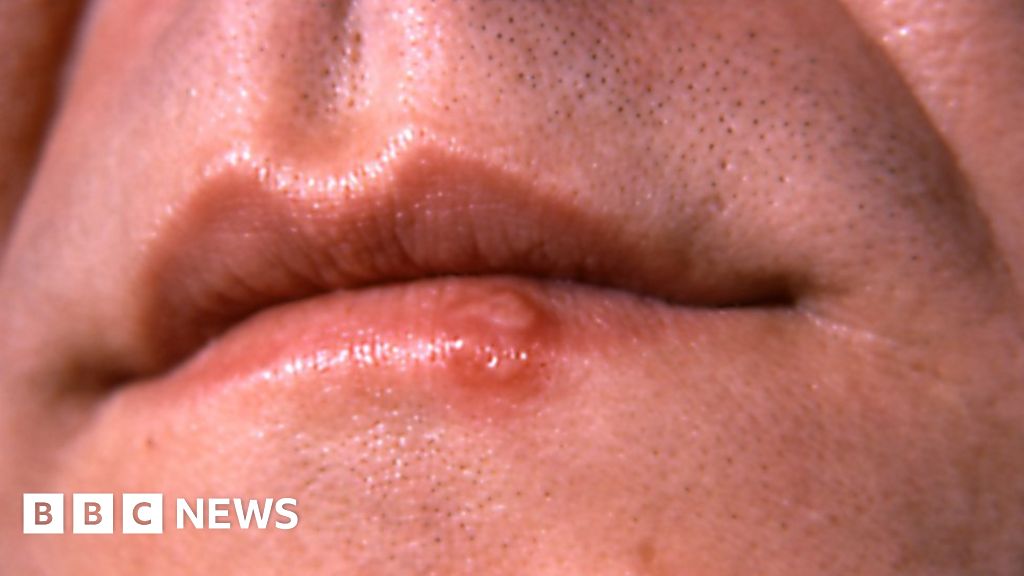
Cold sores traced back to kissing in Bronze Age by Cambridge research

0

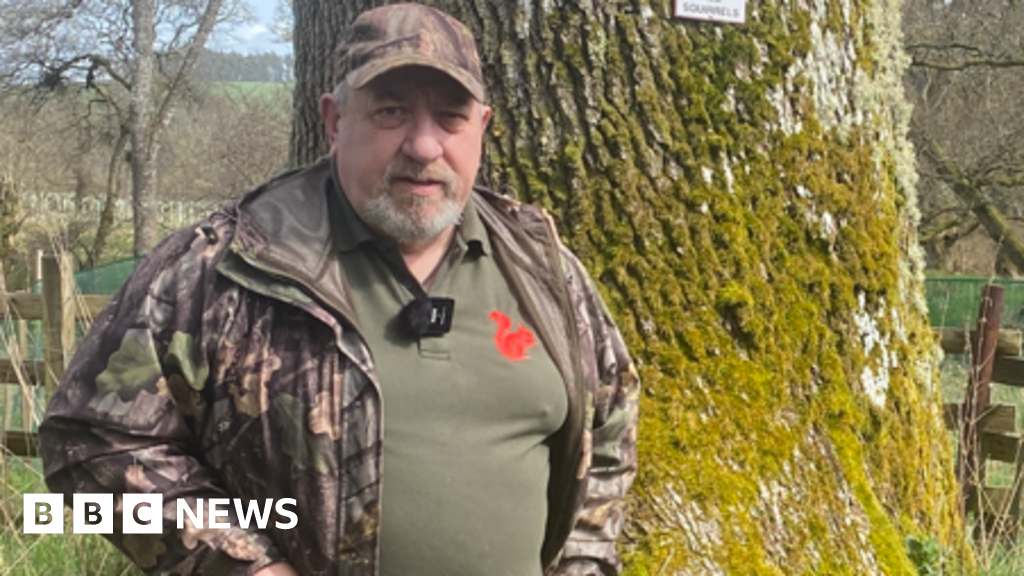
Remote volunteers use CCTV to save red squirrels

June 15, 2026

Our newborn baby died four years ago and we still don't know why

June 15, 2026

England World Cup squad barber talks trims and trust

June 15, 2026

Categories

Science

Remote volunteers use CCTV to save red squirrels

June 15, 2026
0

The project will allow volunteers to help defend red squirrels by monitoring footage remotely. Source link

Read more

Our newborn baby died four years ago and we still don't know why

June 15, 2026
News

Copyright © 2020 JBC News Powered by JOOJ.us

Explore the JBC

  • Home
  • News
  • Sport
  • Worklife
  • Travel
  • Reel
  • Future
  • More

Follow Us

  • Home Main
  • Video
  • World
  • Top News
  • Business
  • Sport
  • Tech
  • UK
  • In Pictures
  • Health
  • Reality Check
  • Science
  • Entertainment & Arts
  • Login

Copyright © 2020 JBC News Powered by JOOJ.us

Welcome Back!

Login to your account below

Forgotten Password?

Create New Account!

Fill the forms bellow to register

All fields are required. Log In

Retrieve your password

Please enter your username or email address to reset your password.

Log In
This website uses cookies. By continuing to use this website you are giving consent to cookies being used. Visit our Privacy and Cookie Policy.
News
More Sites

    MORE

  • Home
  • News
  • Sport
  • Worklife
  • Travel
  • Reel
  • Future
  • More
  • News

    JBC News